Ta-da! The Chubby Mom’s correspondent is back with another news update! Today, we’re going to take a closer look at lupini beans (also called lupin beans) — a super healthy food that’s been getting a lot of attention lately. It’s said that lupini beans contain even more protein than chickpeas and lentils, while being low in sugar and carbohydrates, making them great for blood sugar control (diabetes management). Let’s find out more about this amazing bean together!


Below is a table of contents — simply click each section to jump directly to the part you’re interested in. Hope it makes reading more convenient for you!
[목차]
What is a Lupini Bean (Lupin Bean)?
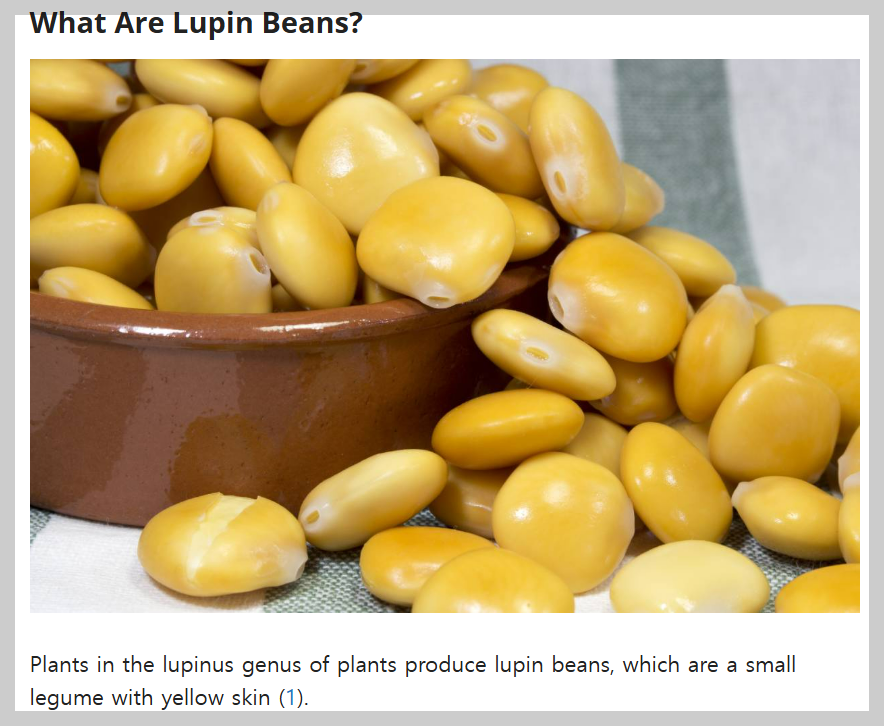
Lupini Bean (Lupin Bean) is the seed of a leguminous plant belonging to the Lupinus genus. It has been consumed as food since ancient times, particularly in the Mediterranean region and the Andes of South America. In Mediterranean countries, it’s often sold as a pickled snack soaked in brine.
Lupini beans are notably low in starch but rich in protein and other nutrients, making them increasingly popular as a high-protein, plant-based protein source in recent years.
Nutritional Value and Health Benefits of Lupini Beans
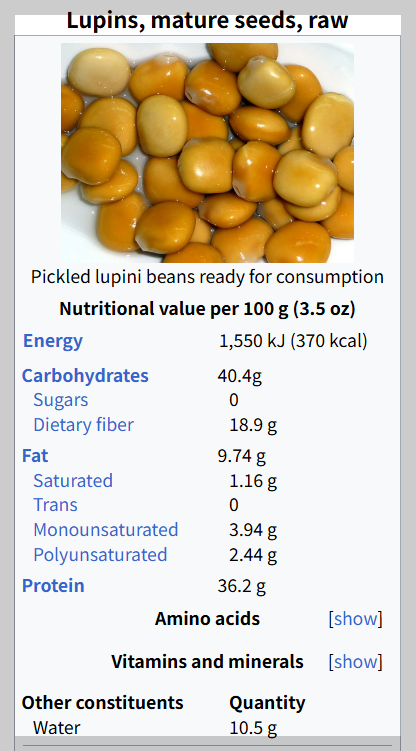
Cooked Lupini beans (Lupin beans) contain the following per 100g:
- Calories: about 119 kcal
- Carbohydrates: 9.9 g
- Dietary fiber: 2.8 g
- Protein: 15.6 g
They are also rich in minerals such as manganese, copper, magnesium, and zinc, as well as vitamins like folate. ㅠㅠBecause of this, Lupini beans are considered an excellent source of balanced nutrition. When uncooked, the protein content can reach as high as 36.2g per 100g, according to some reports—making it one of the highest among legumes.
Compared to other nutrient-dense beans like chickpeas and lentils, Lupini beans have the highest protein content. Thanks to their combination of high protein, rich fiber, and low carbohydrates, they’ve gained attention as a low-carb, high-protein food option and as a plant-based protein source for modern diets.
Key Health Benefits
- Excellent plant-based protein source: Helps with muscle maintenance and supports weight management.
- Improves digestive health: High fiber promotes gut health and a feeling of fullness.
- Helps control blood sugar: Low glycemic index (GI) allows for gradual sugar absorption.
- Supports heart health: May help reduce LDL (“bad”) cholesterol and improve circulation.
- Rich in vitamins and minerals: Supports overall metabolic and cardiovascular health.
In summary, Lupini beans are often called “the super protein bean” — a nutritionally well-balanced superfood that offers multiple health benefits.
Source : Lupin Beans: Nutrition Facts, Benefits, and Drawbacks - Nutrition Advance
Lupin Beans: The Unique High-Protein Legume
Lupin beans are a unique type of legume that offers high amounts of protein and fiber but very few carbohydrates. Here is a complete guide.
www.nutritionadvance.com
Lupini Beans vs. Chickpeas vs. Lentils — Nutritional and Health Comparison
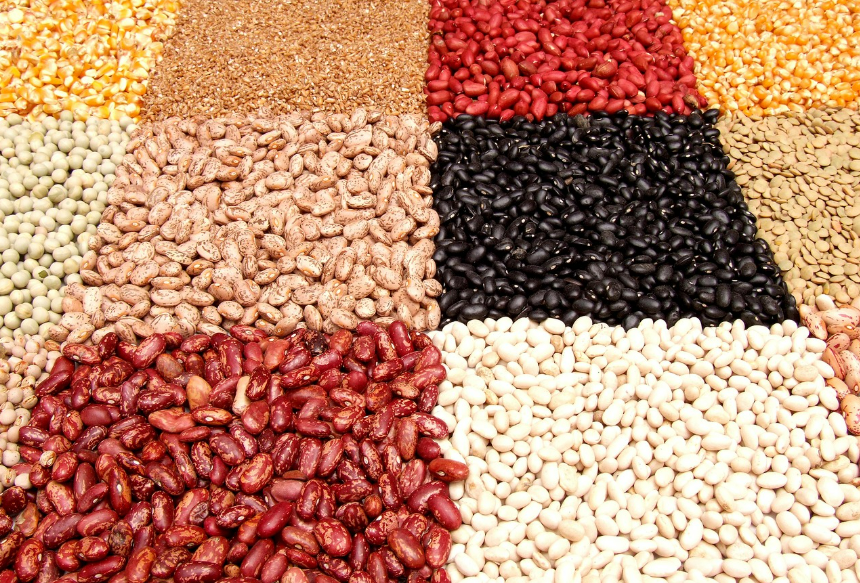
Besides Lupini beans, we’re already familiar with other superfood legumes like chickpeas and lentils, which are widely known for their health benefits. Below is a comparison showing how Lupini beans (Lupin beans) differ in nutrition and health benefits from chickpeas and lentils.
| Type | Nutrition Benefits | Characteristics |
| Lupin Bean (Lupini Bean) | - ~15.6g protein per 100g (cooked) - Low carbohydrates: 9.9g (incl. 2.8g fiber) - Very low starch content, potentially low glycemic index - Rich in minerals & vitamins (folate, magnesium, manganese, zinc, etc.) - Skin adds more fiber & antioxidants | - Ideal for high-protein, low-carb diets - May help with blood sugar control, satiety, and gut health - Good source of plant-based protein & minerals - Must be properly processed to remove alkaloids |
| Chickpea (Garbanzo Bean) | - ~8.9g protein, ~7.6g fiber, 164 kcal per 100g (cooked) - Higher carbohydrate content and some fat - Contains a balanced range of vitamins & minerals (e.g., folate) | - Commonly used for fiber & protein supplementation - Promotes satiety and healthy digestion - May slightly raise calorie and carb intake compared to Lupini beans |
| Lentil | - ~9.0g protein, ~7.9g fiber, 116 kcal per 100g (cooked) - Very low in fat, higher in carbohydrates - Slightly higher in iron and potassium than chickpeas | - Lower calorie content - Good balance of protein and fiber - Cooks quickly and is versatile for various dishes - Slightly less protein and higher carbs compared to Lupini beans |
< Detailed Nutritional Comparison per 100g (Cooked) >
| Nutrient (100g, cooked) | Lupini Bean | Chickpea | Lentil |
| Calories (kcal) | ~119 | ~164 | ~116 |
| Protein (g) | 15.6 | 8.9 | 9.0 |
| Carbohydrates (g) | 9.9 | 27.4 | 20.1 |
| └ Dietary Fiber (g) | 2.8 | 7.6 | 7.9 |
| Fat (g) | 2.7 | 2.6 | 0.4 |
| Potassium (mg) | 229 | 291 | 369 |
| Iron (mg) | 1.0 | 2.9 | 3.3 |
| Folate (µg) | 59 | 172 | 181 |
| Glycemic Index (GI) | ~15 (very low) | ~28–30 (low) | ~30 (low) |
| Gluten | None | None | None |
As noted above, when it comes to protein content, the ranking is roughly: Lupini bean > Lentil ≧ Chickpea
Lupini beans also have fewer carbs and the lowest glycemic index, making them highly beneficial for blood sugar control and low-carb diets. However, chickpeas and lentils also offer excellent nutritional balance and unique benefits, so instead of eating only one type of legume, it’s best to include a variety for a broader range of nutrients and health effects.
How to Eat Lupini Beans (Boiling, Cooking with Rice)

Most Lupini beans (Lupin beans) sold in stores are already dehulled (skin removed). When the skin is not removed, the beans appear whitish and take much longer to cook. While the skin does contain antioxidants, it can also have toxic alkaloid compounds, which may cause side effects if not properly removed. Therefore, it’s generally safer to eat dehulled Lupini beans.
How to Cook Lupini Beans (Boiling) - based on common Lupini bean product instructions available in Korea.
- Soak the dehulled Lupini beans in water for 2–3 hours.
- Boil them in hot water for about 20 minutes.
- Drain and rinse with clean water before using.
How to Cook Lupini Bean Rice
- Soak the beans for 2–3 hours just like other beans (e.g., black beans or soybeans).
- Add the soaked Lupini beans directly into the rice cooker with rice and cook together.
- The result is a nutty, protein-rich mixed bean rice that’s both filling and nutritious.
Other Ways to Eat Lupini Beans
- Salad topping: Add boiled Lupini beans to salads for extra protein and texture.
- Lupini soy milk: Blend boiled beans with water to make a creamy, plant-based drink.
- Lupini flour: Grind unsoaked dry Lupini beans into flour to use as a gluten-free alternative for baking breads, cookies, or pancakes.
- Pickled Lupini beans: In some countries, people make Lupini bean pickles (similar to olives or fermented snacks).
Tip: Always check product instructions carefully — depending on the variety and preparation, soaking or boiling times may vary slightly.
Precautions and Things to Note (Lupini Bean Side Effects)

When consuming Lupini beans (Lupin beans), there are several important precautions and possible side effects to be aware of:
1. Allergic Reactions
Lupin beans may cause cross-reactivity with peanut allergies. People who are allergic to peanuts should be cautious, as lupins belong to the same legume family and can trigger similar allergic responses in some individuals.
2. Alkaloid Content (Toxicity Risk)
There are two main types of lupin beans. One is 'Sweet lupins(low alkaloid content)' and the other is 'Bitter lupins(high alkaloid content)'. Bitter lupins contain toxic alkaloids, which can cause nausea or poisoning if not properly processed. Always ensure the product label says “Sweet Lupin” or that it has been safely detoxified before eating.
3. With or Without the Skin
Lupini bean skins can be tough to digest and may cause digestive discomfort for some people. Choosing dehulled (skin-removed) or thin-skinned varieties can make digestion easier and improve texture.
4. Digestive Sensitivity
As with other legumes, some people may experience gas, bloating, or mild stomach discomfort when first eating Lupini beans. It’s best to start with small portions and increase gradually as your body adjusts.
5. Balanced Diet Consideration
When adding Lupini beans to your diet, try to balance them with other sources of protein and fiber to maintain overall nutritional harmony.
Today, Chubby Mom and her daughter learned all about Lupini beans — their nutrition, benefits, how to cook them, and what to watch out for. We hope this helps everyone who’s been curious about this amazing “super bean”!
That’s all for today’s post. Bye for now… 💛