Ta-da… As many of you already know from the emergency alert, on the evening of September 26, 2025, a fire broke out at the National Information Resources Service in Korea, which is managed by the Ministry of the Interior and Safety.
As a result, critical government services heavily used by the public—such as Government24—were paralyzed, causing serious problems. This incident goes beyond a simple technical glitch; it has severely affected citizens’ daily lives and the overall administrative services.
So, let’s take a closer look at the cause of the fire, its ripple effects, solutions, and the response timeline!

Below is a table of contents that lets you jump directly to the section you want—please take a look!
[목차]
Cause and Progress of the Fire
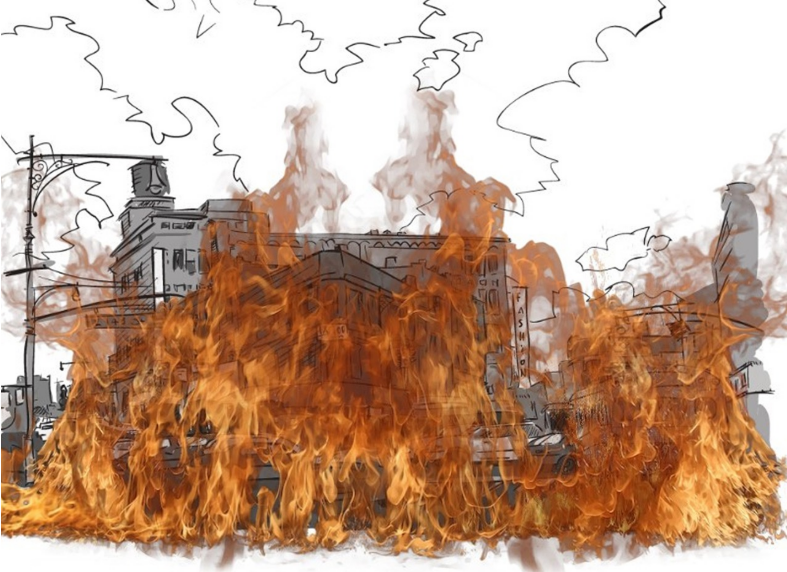
At around 8:15 p.m. on September 26, 2025, a fire broke out in the 5th-floor computer room of the National Information Resources Service in Yuseong-gu, Daejeon. The fire reportedly occurred during work to relocate UPS batteries (lithium-ion battery packs) to the basement. While a worker was cutting the power and disconnecting the battery connection cables, sparks flew, igniting the fire.
The fire authorities immediately mobilized 199 personnel and 64 pieces of equipment, carrying out an all-night firefighting operation. Initial suppression was completed at around 6:30 a.m. on the 27th, about 10 hours later. However, since most of the 384 battery packs were destroyed, it is expected that recovery efforts will take considerable time.
Current Situation and Impact
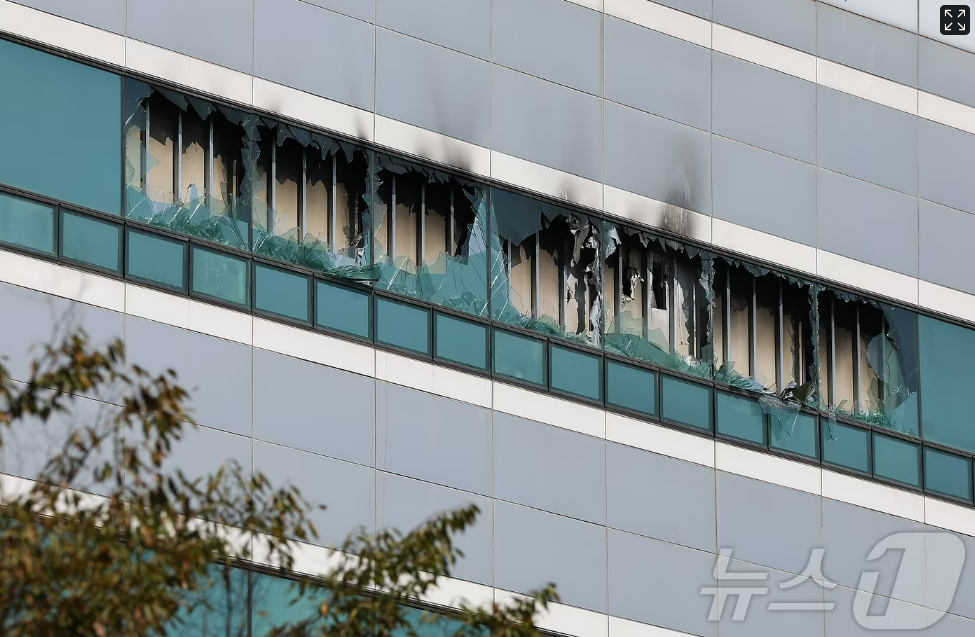
Due to the fire, all 647 government systems operated and managed by the National Information Resources Service (NIRS) have been shut down. In particular, 12 top-priority (Grade 1) systems and 58 Grade 2 core systems have been paralyzed.
As a result, essential services directly tied to people’s daily lives—such as postal financial and mail services, Government24, Hometax, the People’s Sinmungo petition service, and mobile ID—have been completely suspended. In addition, a malfunction in the air conditioning and humidity control system has caused the temperature inside the server room to rise, raising concerns of equipment overheating and further delaying recovery work.
In response, the government has raised the crisis alert level from “Alert” to “Severe” and activated the Central Disaster and Safety Countermeasures Headquarters to handle the situation.
Problems and Inconveniences Faced by Citizens

Due to the fire at the National Information Resources Service (NIRS), citizens are experiencing a variety of problems and inconveniences, as follows
| Problem | Details |
| Postal service delays | With the Chuseok holiday rush approaching, the suspension of Korea Post’s parcel service has caused delivery delays. |
| Suspension of financial services | Korea Post’s deposit and insurance services have been halted, disrupting financial transactions. |
| Administrative service delays | Online civil service systems such as Government24, Saeumteo, and the People’s Sinmungo petition service have been paralyzed, making it difficult to submit documents and process requests. |
| Restricted access to information | Access to key public service websites such as Hometax and the National Health Insurance Service has been blocked, causing disruptions in tax payments and health insurance-related tasks. |
Future Countermeasures and Recovery Schedule

The Ministry of the Interior and Safety (MOIS) and the National Information Resources Service (NIRS) have drawn up the following major recovery plans
| Plan | Details |
| Priority restoration of HVAC systems | Restore the heating, ventilation, and air-conditioning systems first to prevent server overheating and normalize the server room temperature. |
| Priority restoration of core systems | Begin recovery with Grade 1 and Grade 2 systems, such as Korea Post’s financial and postal services, which cause the greatest inconvenience to citizens. |
| Data recovery work | Check for server damage and then carry out data recovery using backup data. |
| Strengthening redundancy systems | To prevent similar accidents in the future, establish an "active-active" disaster recovery system and reinforce the service continuity plan. |
Recovery timelines will differ depending on the condition of each server, and the exact schedule will be announced after internal diagnostics are completed.
Alternative Services for Citizens

Since the Ministry of the Interior and Safety (MOIS) and the National Information Resources Service (NIRS) operate the core services used by citizens, the government has provided the following alternative options to minimize inconvenience
- In-person civil service processing
Contact the relevant agency that operates/manages the service in advance by phone, and then visit in person to request or process civil services. Note that due to the current situation, delays or restrictions may occur on-site. - Use of alternative websites
Some services are available through alternative sites such as Traffic Civil Service 24, Saeumteo, Hometax, and the National Health Insurance Service. - Deadline extensions
The government is coordinating so that time-sensitive tasks, such as tax payments or document submissions, can be postponed until the systems are fully restored and operational.
Additionally, the government plans to strengthen system redundancy and disaster recovery frameworks in response to this incident to prevent similar accidents in the future and to ensure stable services for citizens.
Recovery and Service Restart Timeline

As now, there has been no official announcement regarding the system recovery schedule following the fire at the National Information Resources Service (NIRS). Recovery work varies depending on the condition of each server and the extent of equipment damage, making it difficult to predict an exact completion date.
The Ministry of the Interior and Safety (MOIS) and NIRS are currently carrying out recovery operations as quickly as possible. The precise timeline for completing recovery and restarting services will be announced later, based on internal assessments and progress.
The fire at NIRS is more than just a technical accident—it serves as a warning about the vulnerability of the nation’s critical infrastructure. The incident is particularly serious as it occurred during the Chuseok holiday period, when usage of postal and government services is expected to be high.
Citizens are urged to recognize the gravity of the situation and hope that the government will complete recovery swiftly, restoring services to the public as soon as possible. Additionally, preventive measures and response plans should be strengthened to ensure that a similar incident does not happen again.
That concludes today’s post.