As always, Chubby mom’s correspondent is back again! Today, we’re going to take a closer look at the tvN drama Typhoon Family(Taepoong Sangsa) — a series currently loved by many viewers — and the IMF crisis in Korea, which serves as the background of the drama. Let’s explore what “IMF” means, when the IMF crisis occurred and ended in Korea, and how it affected the people and the nation at that time.

Here’s a handy table of contents — just click to jump to the part you want to read!
[목차]
Introduction to Typhoon Family(Airing Schedule, Episodes, and OTT Platforms)
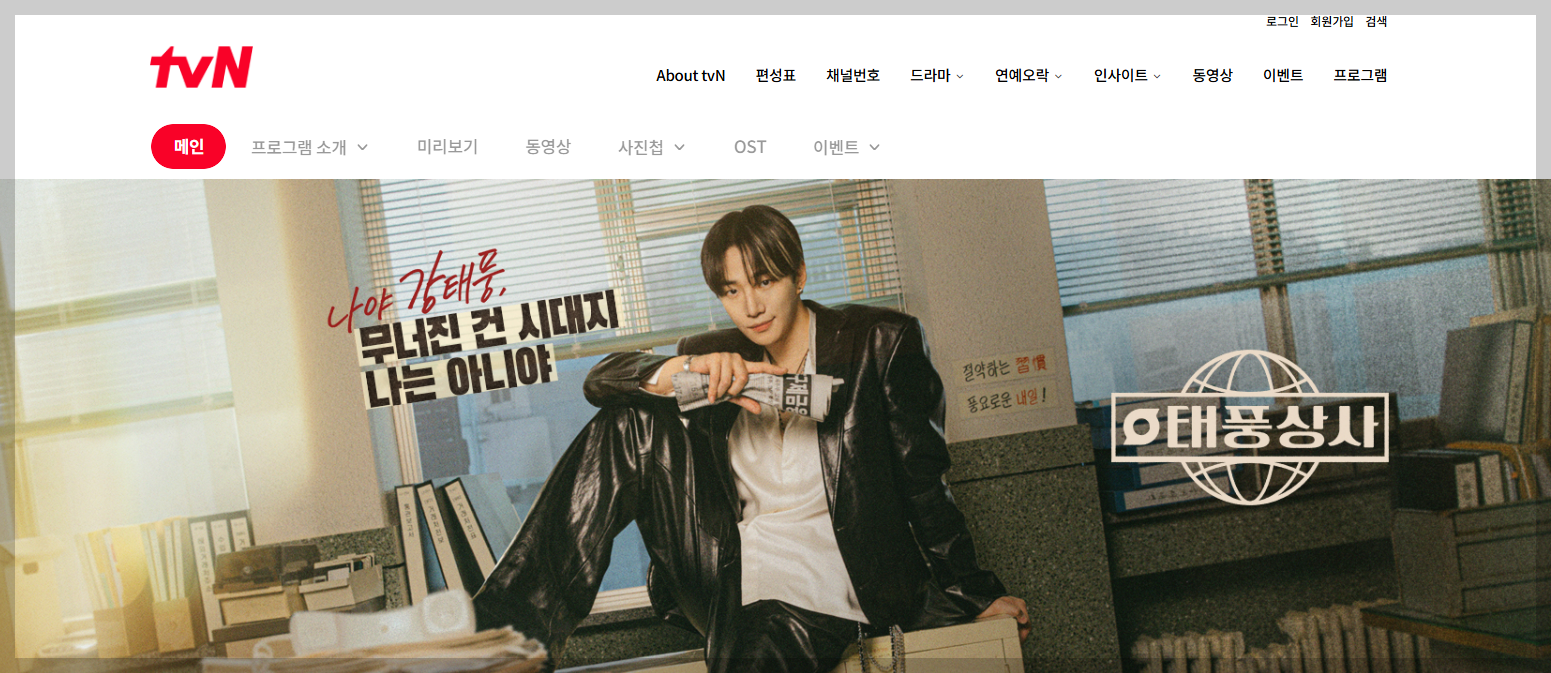
Typhoon Family(Taepoong Sangsa) is a Korean drama that began airing on October 11, 2025, on tvN, broadcast every Saturday and Sunday at 9:10 p.m.. The series is set against the backdrop of the 1997 IMF financial crisis in Korea. It focuses on the economic turmoil and social conflicts that arose during that time, portraying how the main characters struggle, survive, and grow amid the crisis.
Typhoon Family(Taepoong Sangsa) consists of 16 episodes, with its final episode scheduled to air on November 30, 2025. You can watch Typhoon Family(Taepoong Sangsa) on TVING and Netflix.
Typhoon Family(Taepoong Sangsa) Cast, Characters, and Relationship Guide
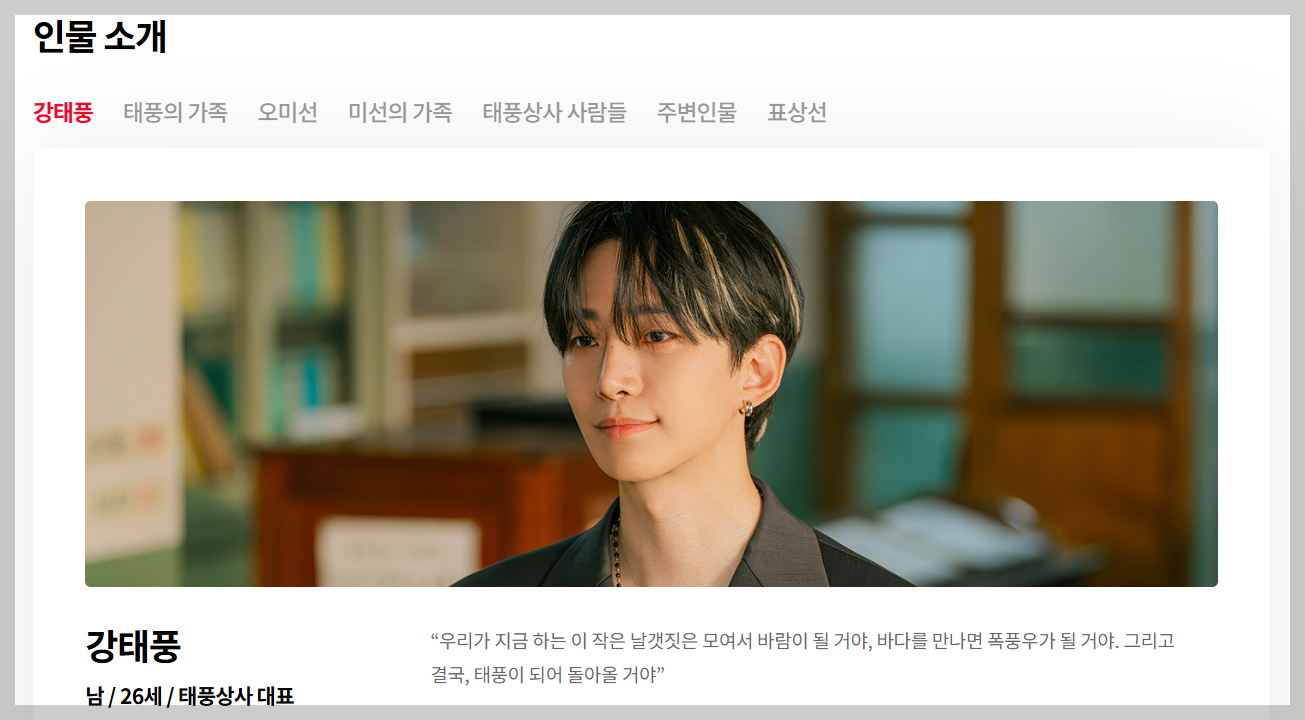
The tvN drama Typhoon Family(Taepoong Sangsa) stars Lee Junho from the K-pop group 2PM and actress Kim Min-ha in the leading roles. Lee Junho plays Kang Tae-poong, the main character, while Kim Min-ha takes on the role of Oh Mi-seon, the female lead.
Other key cast members include Sung Dong-il, who plays the original president of Typhoon Family(Taepoong Sangsa) and Kang Tae-poong’s father; Kim Ji-young, who portrays Tae-poong’s mother; and Kim Jae-hwa, who appears as one of the company’s employees.
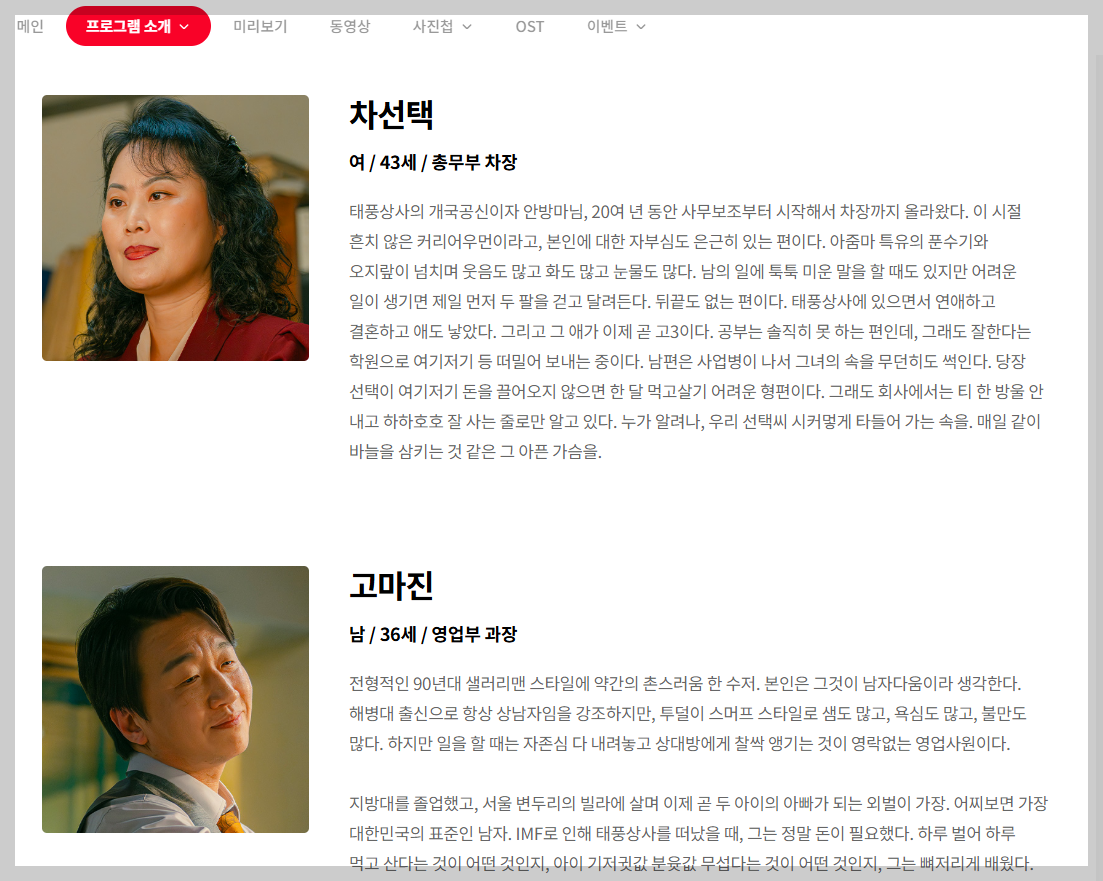
Below is a table summarizing the main characters in the drama Typhoon Family(Taepoong Sangsa).
| Role | Actor | Character Description |
| Kang Tae-poong | Lee Junho | Son of Kang Jin-young, the CEO of Typhoon Company, and Jung Jung-mi. Male, 26 years old. |
| Oh Mi-seon | Kim Min-ha | Accountant and salesperson (company worker) at Typhoon Company. Female, 24 years old. |
| Kang Jin-young | Sung Dong-il | Founder and CEO of Typhoon Company, husband of Jung Jung-mi, and father of Kang Tae-poong. Male, 53 years old. |
| Jung Jung-mi | Kim Ji-young | Wife of Kang Jin-young and mother of Kang Tae-poong. Housewife. Female, 50 years old. |
| Cha Sun-taek | Kim Jae-hwa | Deputy manager of the General Affairs Department at Typhoon Company. Female, 40 years old. |
| Koo Myung-kwan | Kim Song-il | Director of the Management Department at Typhoon Company. Male, 53 years old. |
| Go Ma-jin | Lee Chang-hoon | Manager of the Sales Department at Typhoon Company. Male, 36 years old. |
| Bae Song-jung | Lee Sang-jin | Assistant manager of the Logistics Department at Typhoon Company. Male, 30 years old. |
| Wang Nam-mo | Kim Min-seok | Kang Tae-poong’s friend and the son of Kim Eul-nyeo. Male, 26 years old. |
| Kim Eul-nyeo | Park Sung-yeon | Wang Nam-mo’s mother. Female, 53 years old. |
| Pyo Park-ho | Kim Sang-ho | CEO of Pyo Sang-sun (company name). Male, 55 years old. |
The character relationship chart for Typhoon Family(Taepoong Sangsa) has already been kindly made available on the official tvN website. If you’d like to see detailed information about each character and their relationships, you can visit the tvN site using the link below.

[tvN Typhoon Family(Taepoong Sangsa) Website ]
태풍상사 | tvN
tvn.cjenm.com
What Is the IMF? (Historical Background of Typhoon Family, Meaning of IMF)
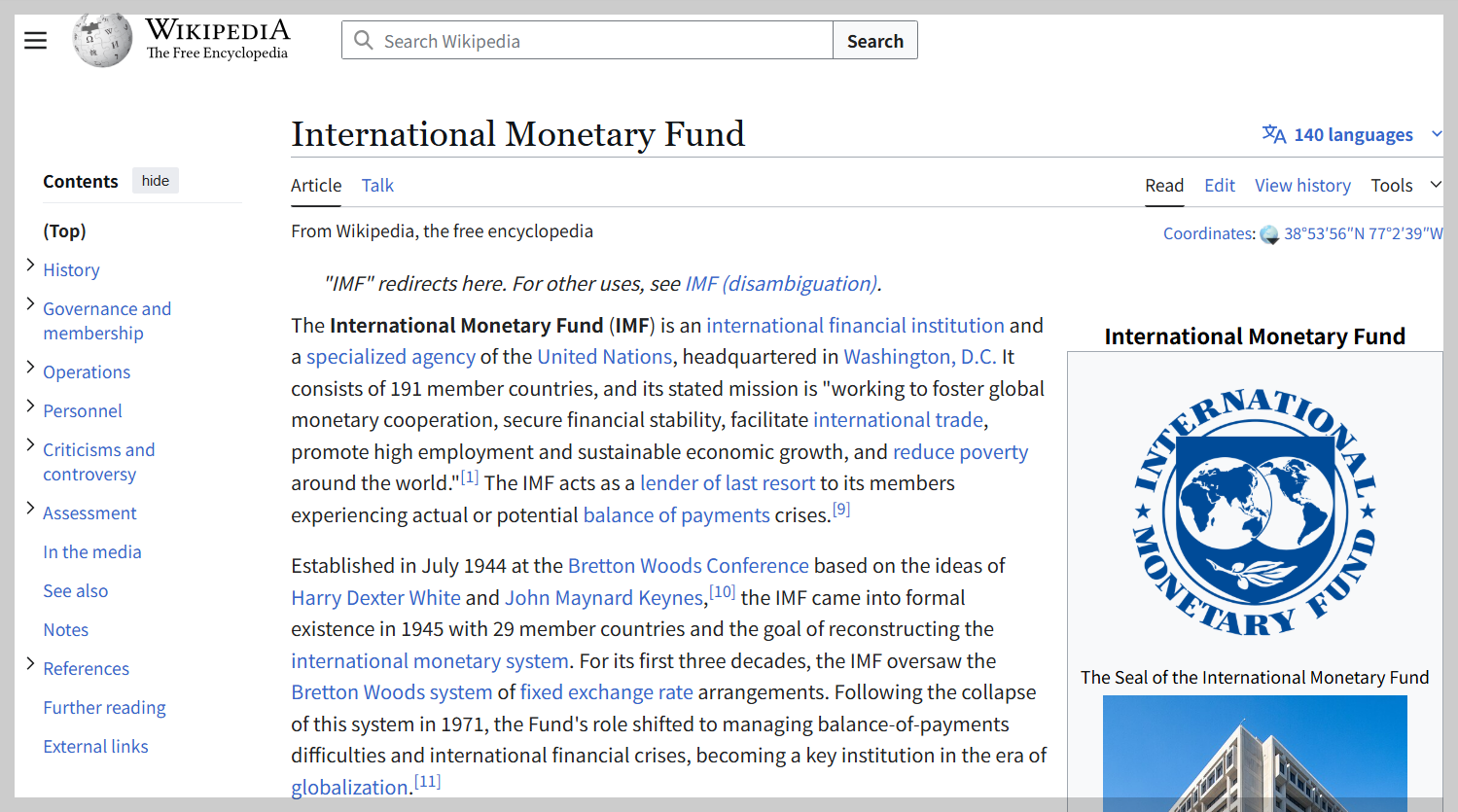
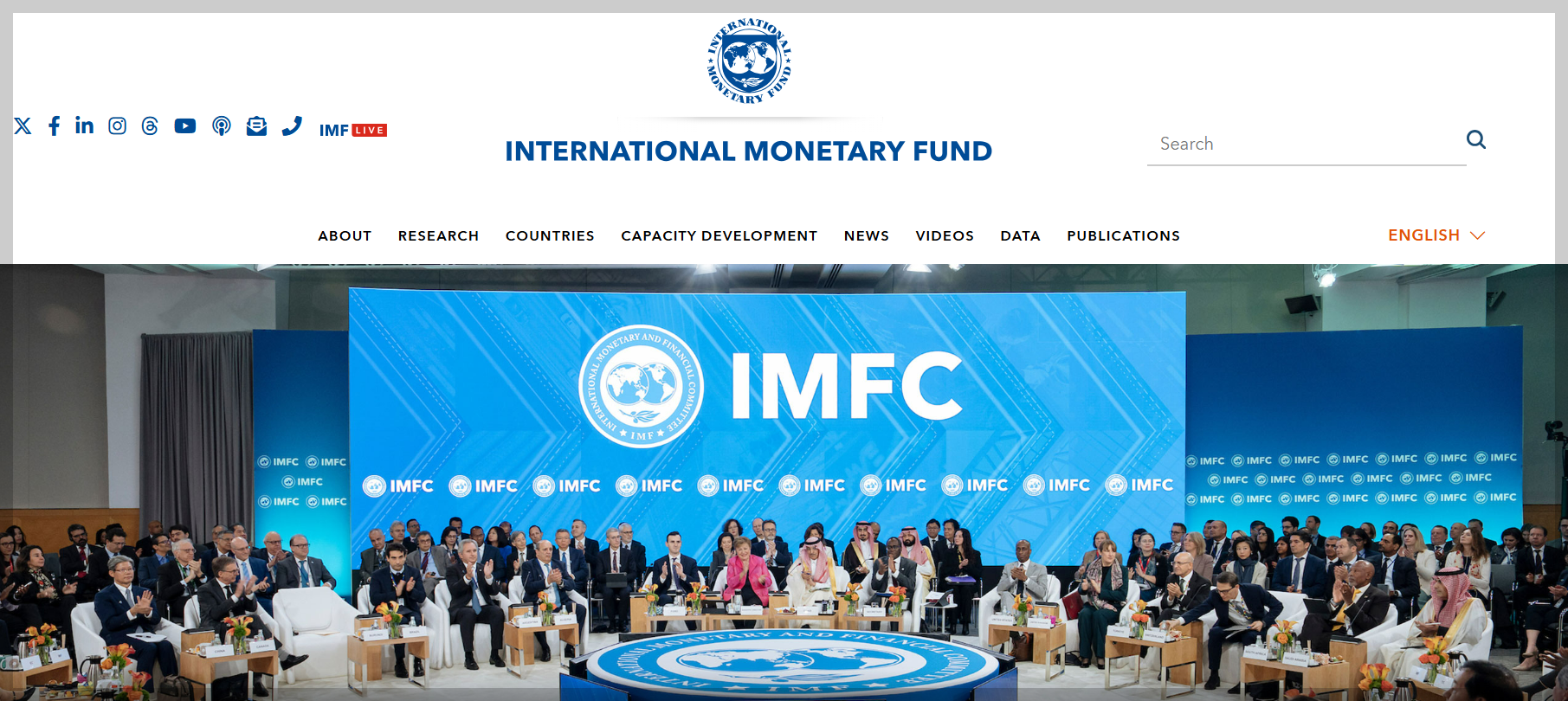
The drama Typhoon Family(Taepoong Sangsa) is set during the era of the IMF crisis in South Korea. The IMF (International Monetary Fund) is an international organization established in 1944 to oversee the global monetary system by monitoring exchange rates and balance of payments among member countries. Its primary goal is to promote international financial stability and economic growth.
Currently, the IMF consists of 191 member countries. It works to:
- Foster international monetary cooperation,
- Stabilize financial systems,
- Promote international trade,
- Encourage high employment and sustainable economic growth,
- And reduce poverty and inequality across the world.
However, some regions and nations — such as North Korea and Monaco — are not members of the IMF.
When requested by its members, the IMF provides both technical assistance and financial aid to help stabilize economies in crisis. The IMF’s headquarters is located in Washington, D.C., USA.
The Onset and Causes of Korea’s IMF Crisis
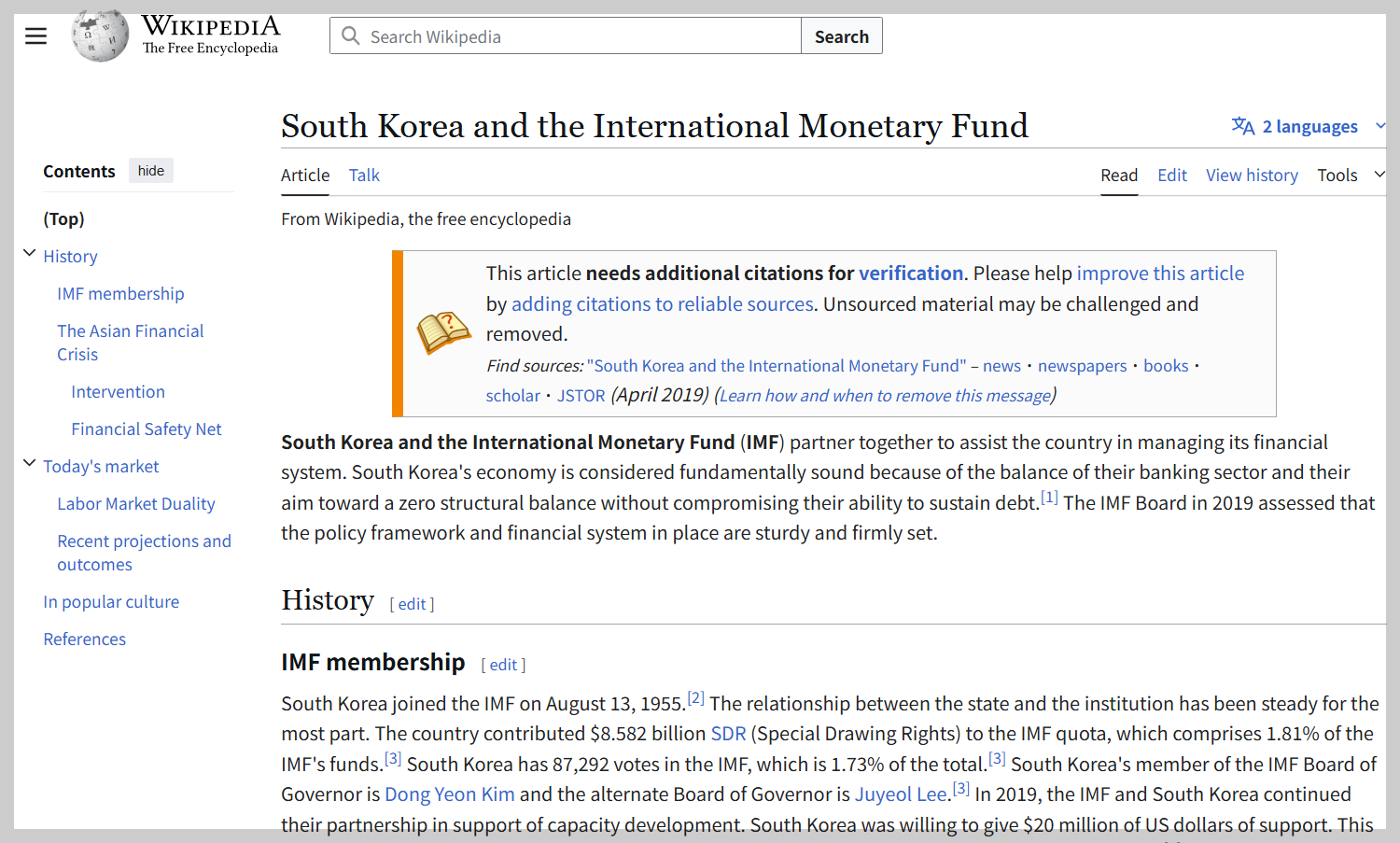
From December 3, 1997, to August 23, 2001, South Korea faced a national financial crisis and signed a Memorandum of Understanding (MOU) with the IMF (International Monetary Fund) to receive emergency financial assistance.
As large companies went bankrupt one after another, the country’s foreign exchange reserves plummeted, leading the government to request an emergency loan of 2 billion USD from the IMF. At the peak of the crisis, South Korea’s reserves fell to as low as 3.9 billion USD.
To prevent national default, the IMF provided a bailout package worth 19.5 billion USD, after which Korea accepted the IMF’s economic reform conditions and underwent a massive economic restructuring to stabilize the national economy.
The main causes of Korea’s IMF (International Monetary Fund) crisis can be summarized as follows. If you would like to learn more detailed explanations about the causes of the Korean IMF crisis, you can find a well-organized summary on Wikipedia at the link below.
- Excessive dependence on foreign debt
- Poor lending practices by financial institutions
- Over-leveraged (debt-heavy) corporate management
- Government’s policy mismanagement
- Attacks from foreign financial speculators
[Wikipedia – South Korea’s IMF Bailout Request]
https://en.wikipedia.org/wiki/South_Korea_and_the_International_Monetary_Fund
South Korea and the International Monetary Fund - Wikipedia
From Wikipedia, the free encyclopedia South Korea and the International Monetary Fund (IMF) partner together to assist the country in managing its financial system. South Korea's economy is considered fundamentally sound because of the balance of their ban
en.wikipedia.org
Impact and Damage Caused by the IMF Crisis

The IMF crisis led to the closure of many companies, causing ordinary citizens to lose their jobs and experience rising debt. Below is a summary of the major impacts the IMF had on businesses and the general population:
| Target | Impact |
| Businesses | Restructuring and bankruptcy of large corporations; failure of small and medium-sized enterprises; increase in unemployment |
| Citizens | Sharp rise in unemployment; increase in household debt; heightened social instability and conflicts |
Recovery Period and Methods from the IMF Crisis

Immediately after the IMF crisis, the 15th presidential election of South Korea was held on December 18, 1997. The ruling Hannara Party lost to opposition leader Kim Dae-jung, who was held responsible for the IMF crisis and the national financial collapse. In February 1998, Kim Dae-jung took office and fully accepted the IMF’s demands, initiating the required economic restructuring.
South Korea then focused on economic rebuilding through policies such as promoting the IT industry, business exchanges and mergers among large corporations. In March 1999, the government launched the Cyber Korea 21 plan, investing in IT infrastructure and development. By 2000, the KOSDAQ stock market and venture industries were promoted, and the June inter-Korean summit marked a major shift in both the economy and inter-Korean relations.
During this period, the “Gold Collection Campaign” was launched as a nationwide effort to overcome the IMF crisis.
By December 1998, South Korea had repaid 1.8 billion USD of emergency IMF loans, gradually emerging from the financial crisis. On December 4, 2000, President Kim Dae-jung officially announced:
“All IMF loans have been repaid, and our country has completely overcome the IMF crisis.”
The IMF’s supervision of South Korea officially ended on August 23, 2001.
(Source: Wikipedia – South Korea’s IMF Bailout Request)
Methods of Overcoming the IMF Crisis
- Financial and corporate restructuring
- Labor market flexibilization
- Strengthening government fiscal soundness
- Shared sacrifices and cooperation from citizens
Typhoon Family(Taepoong Sangsa) is a drama set against the backdrop of South Korea’s 1997 IMF financial crisis, portraying the lives of people who lived through that period and highlighting the social chaos and personal struggles of the time. The series helps viewers understand the realities of the economic crisis while reflecting on human hope and the value of solidarity.
Watching the drama with an understanding of the 1997 IMF crisis will make its story even clearer and more meaningful. I hope this post has been helpful for those curious about Typhoon Family(Taepoong Sangsa) and the historical context of South Korea’s IMF crisis. That’s all for today’s post.