Back again with the “news report” corner from the Chubby mom family! As I mentioned in the last post, Chubby mom’s daughter suffers from quite noticeable floaters and regularly visits the eye clinic for check-ups, so she’s very interested in eye health.
This time, I’ll be sharing about 7 essential nutrients that protect your eyes, their daily recommended intake, whether you can meet that intake through food, and why supplements can be a convenient and effective alternative.
I hope this will be helpful for those who spend long hours on digital devices and worry about eye strain or declining eyesight. Let’s get started—ppalro ppalromi!


Ta-da! I’ve put together a table of contents so you can easily jump to the section you want with just a click.
[목차]
First of all, what are the 7 essential nutrients for eye health?
7 Essential Nutrients for Eye Health
1. Vitamin A
Like lutein and zeaxanthin, Vitamin A is also widely known for being good for the eyes. Vitamin A helps the retina detect light and supports the health of the eye’s surface. A deficiency in Vitamin A can lead to night blindness.
Recommended Daily Intake : Men 900 ㎍ RE, Women 700 ㎍ RE
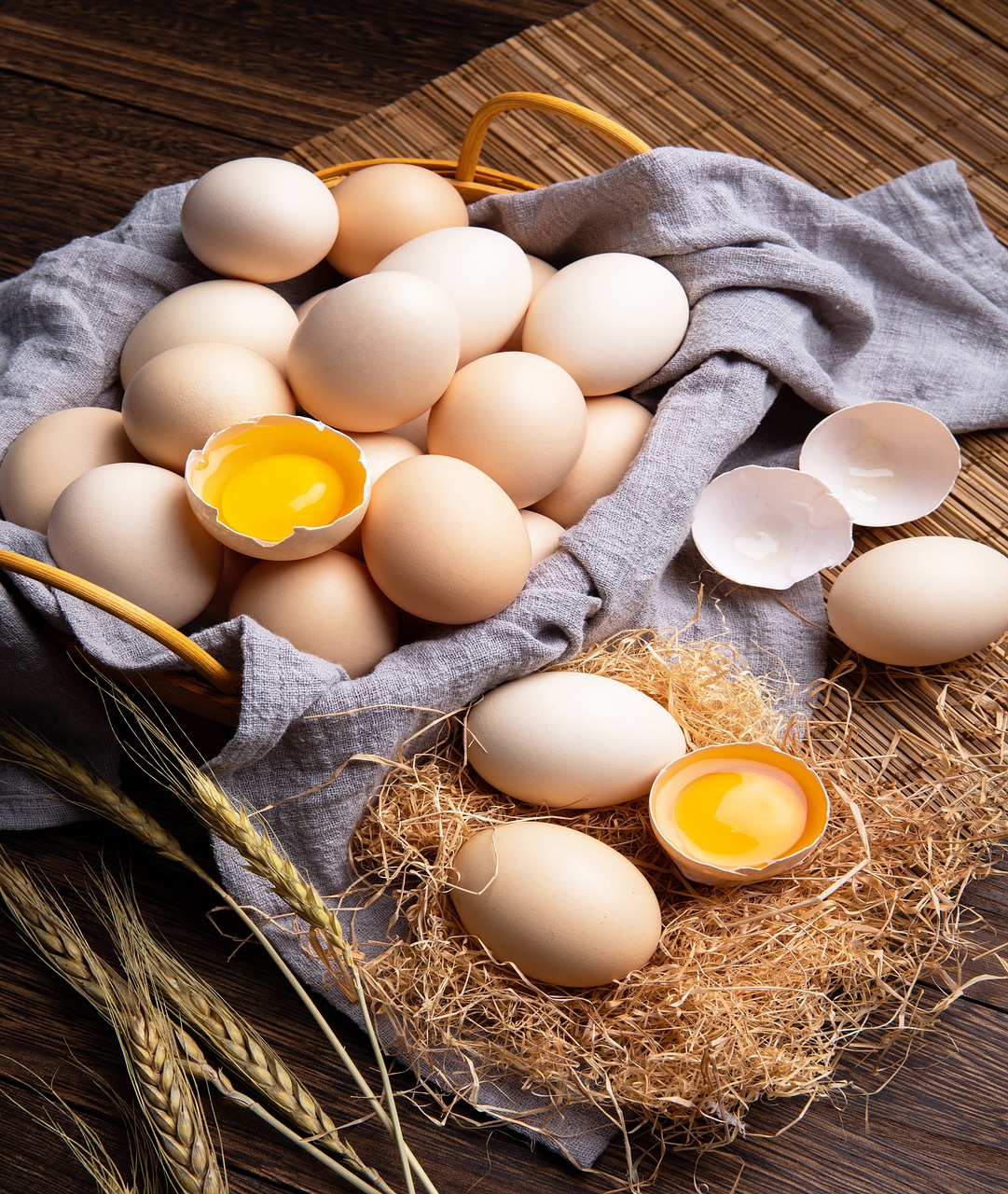
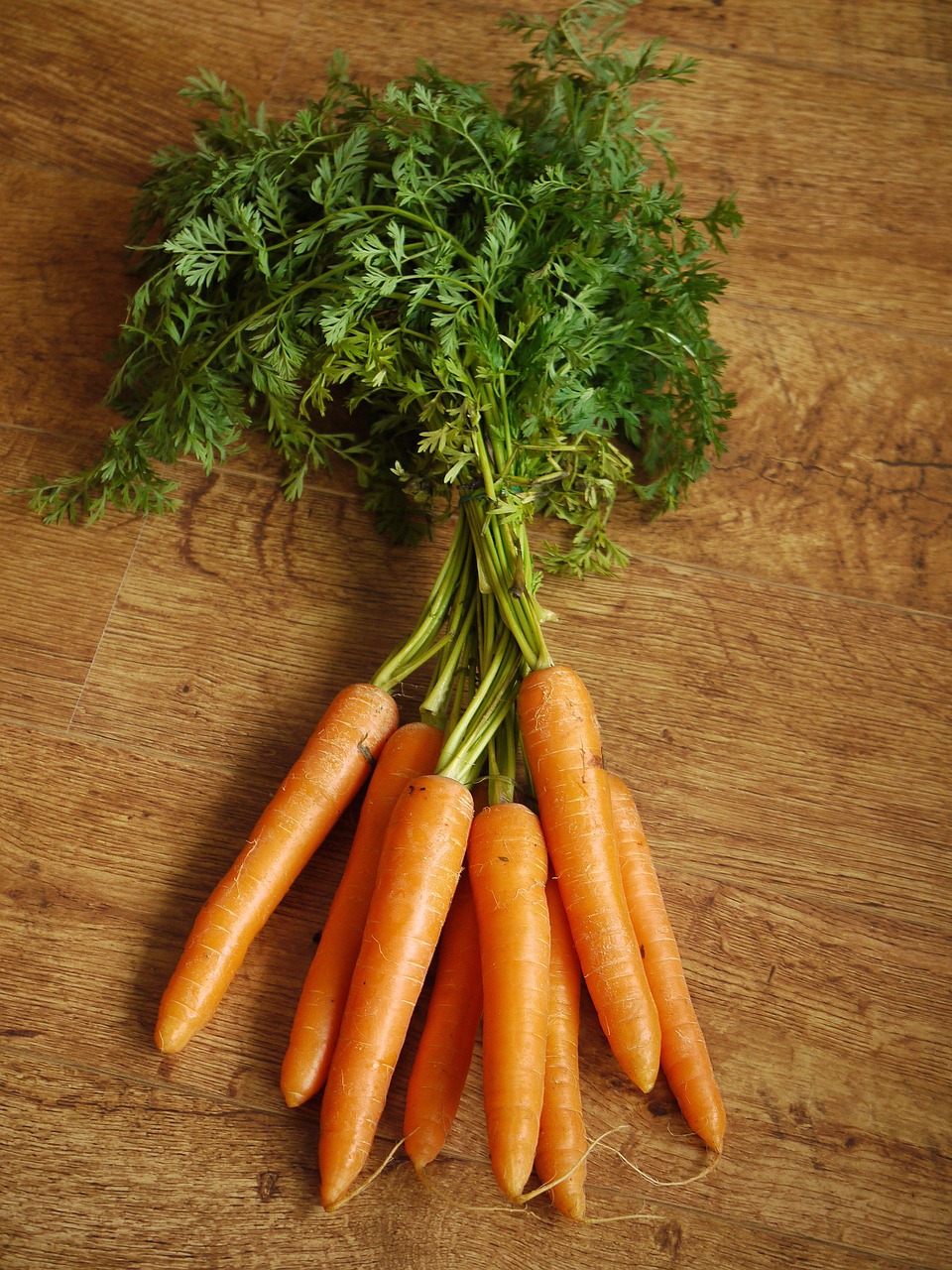
Food Sources : Carrots, spinach, eggs
 |
 |
Example Intakes
- Carrot (100g) → 835 ㎍ RE
- Spinach (100g) → 560 ㎍ RE
- Egg yolk (1 piece) → 140 ㎍ RE
Tip : One medium carrot is enough to cover almost the entire daily recommended intake of Vitamin A for men. On the other hand, it would take quite a lot of egg yolks to reach the daily requirement, so it’s better to eat them as a supplement rather than the main source.
2. Lutein & Zeaxanthin
Thanks to all the TV commercials, lutein and zeaxanthin are already familiar nutrients to most people. These antioxidants are found in the macula, where they help protect the eyes from UV rays and blue light, and may aid in preventing macular degeneration.
Recommended Daily Intake : 6–10 mg
Food Sources : Kale, spinach, corn, broccoli, egg yolk
 |
 |
Example Intakes
- Kale (100g) → 11 mg
- Spinach (100g) → 12 mg
- Egg yolk (1 piece) → 0.25 mg
Tip : A handful of kale per day is enough to meet the recommended daily intake of lutein and zeaxanthin. On the other hand, you’d need to eat quite a lot of egg yolks to reach the daily requirement, so it’s better to consume them as a supplement rather than the main source.
3. Vitamin C
Most of you are probably already familiar with Vitamin C. Known for its powerful antioxidant properties, Vitamin C helps protect eye cells, preventing damage to eye tissues and reducing the risk of cataracts.
Recommended Daily Intake : 100 mg
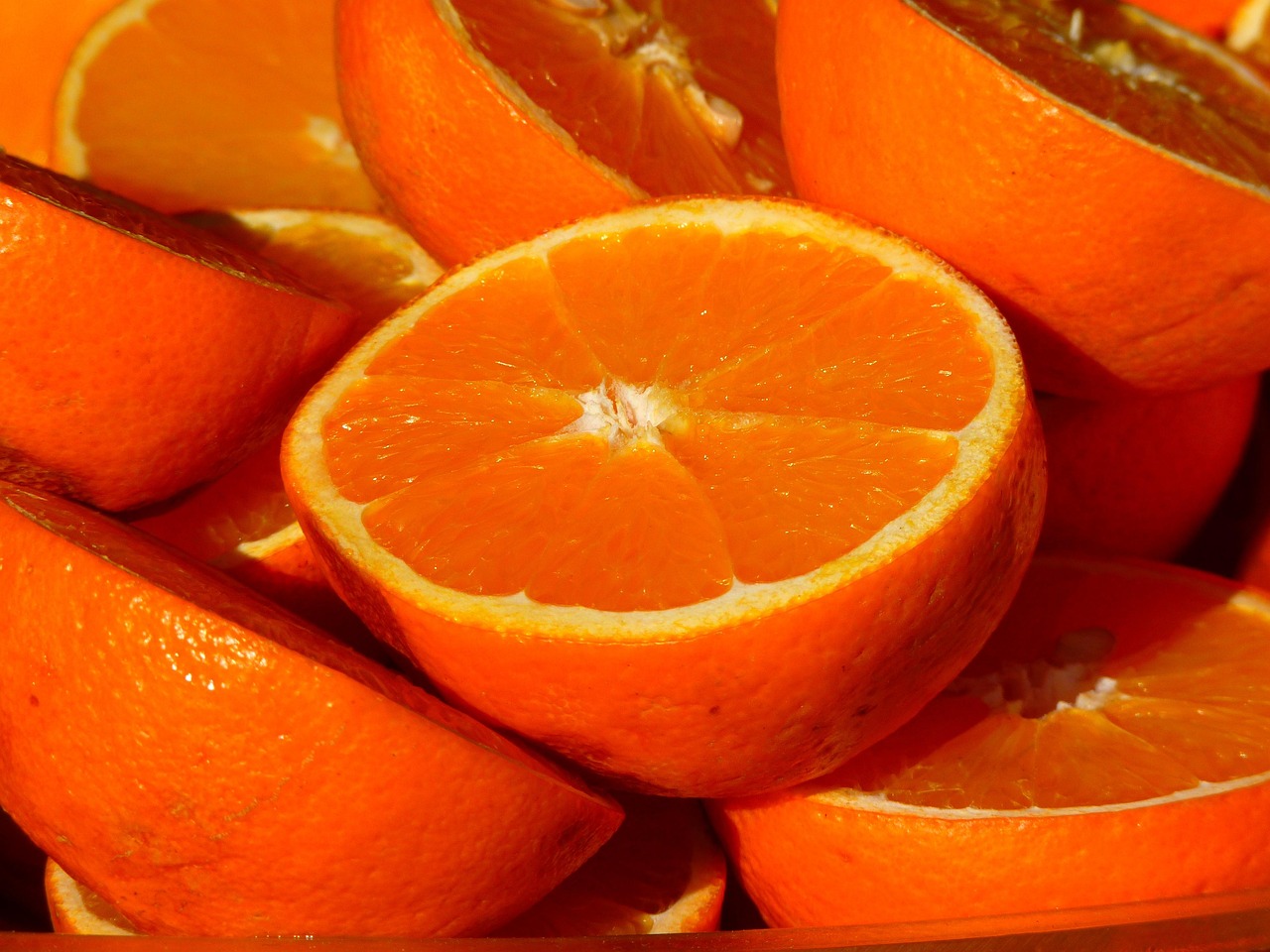
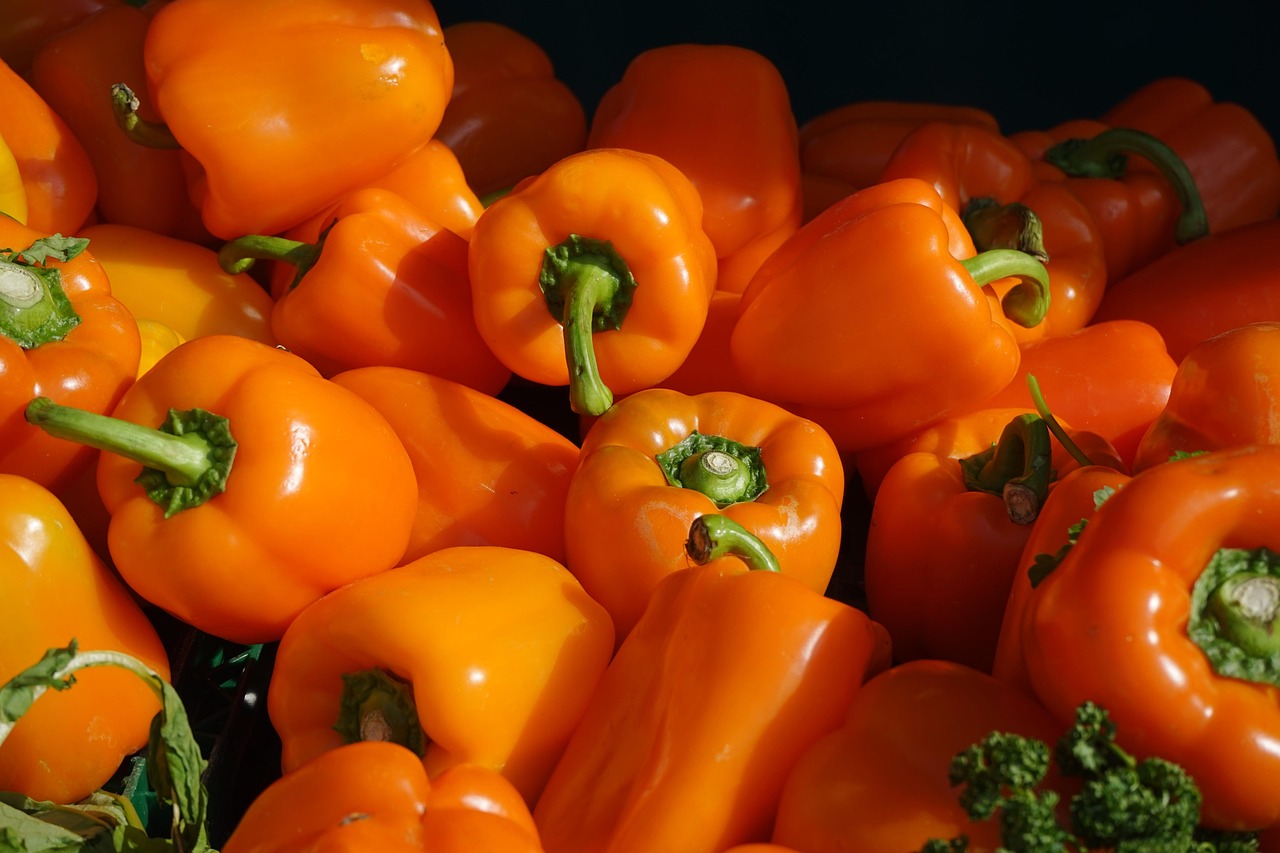
Food Sources : Oranges, kiwi, bell peppers
 |
 |
Example Intakes
- Orange (1 piece) → 70 mg
- Kiwi (1 piece) → 80 mg
- Bell pepper (100g) → 120 mg
Tip : Just one orange plus a bit of bell pepper is enough to meet the daily recommended intake of Vitamin C. Since this nutrient is found in most fruits and vegetables, it’s generally easy to reach your daily requirement.
4. Vitamin E
Vitamin E is also well known for its antioxidant properties. It helps protect eye cells and is known to aid in preventing macular degeneration.
Recommended Daily Intake : 15 mg
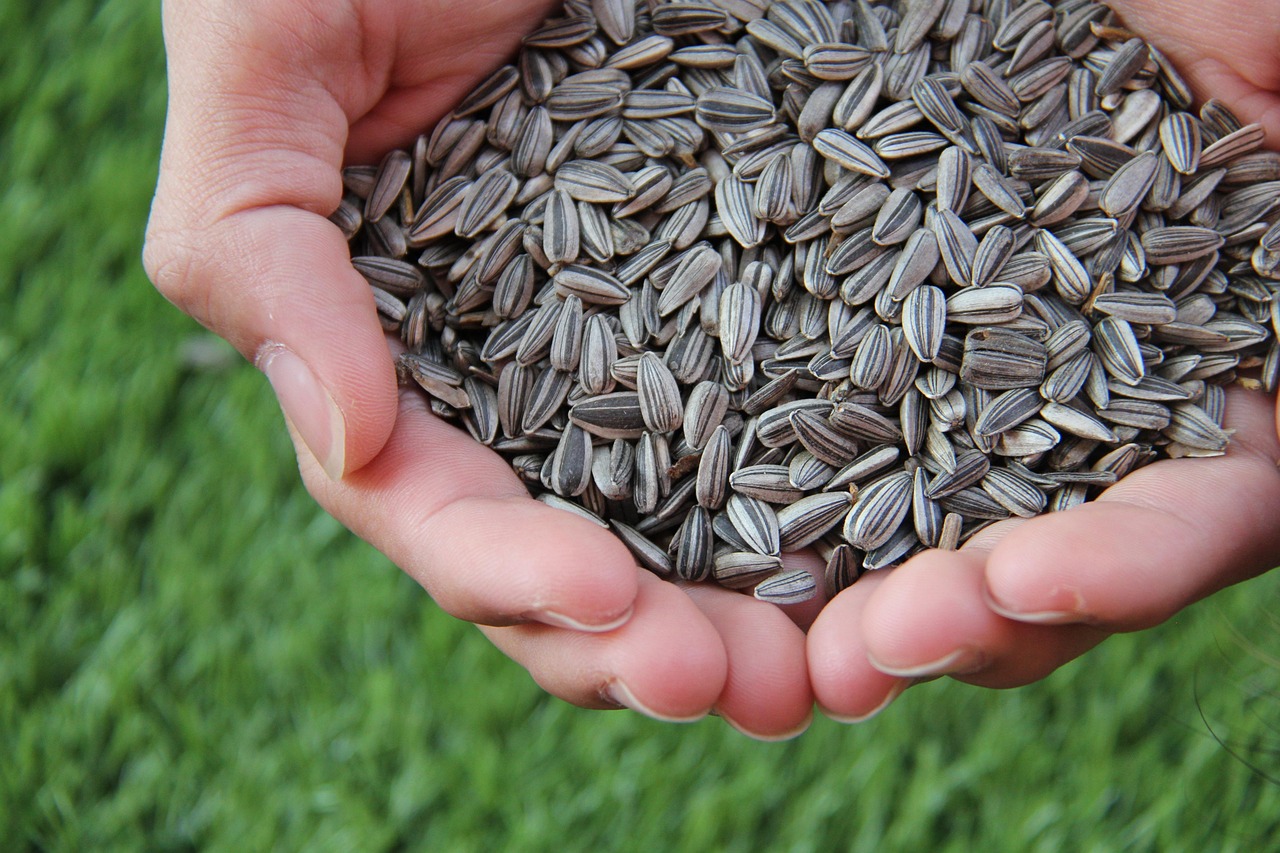
Food Sources : Almonds, sunflower seeds, spinach
 |
 |
Example Intakes
- Almonds (23 pieces / 28g) → 7.3 mg
- Sunflower seeds (30g) → 9 mg
- Spinach (100g) → 2 mg
Tip : A handful of almonds plus a small amount of sunflower seeds is enough to meet the daily recommended intake of Vitamin E. As I’ll summarize in a table later, you’d need to eat 58 almonds alone to reach the full daily requirement, so it’s best to combine them with other foods.
5. Omega-3 Fatty Acids (DHA & EPA)
Omega-3 Fatty Acids (DHA & EPA) are also very well known, and most people are probably already taking them. Omega-3s are essential for the cell membranes of the retina and are known to help prevent dry eyes and maintain vision. Taking them together with lutein and zeaxanthin can be even more beneficial for eye health.
Recommended Daily Intake : DHA 250–500 mg
Food Sources : Salmon, mackerel, sardines
 |
 |
Example Intakes
- Salmon (100g) → 1,200 mg DHA
- Mackerel (100g) → 500 mg DHA
- Sardines (100g) → 1,000 mg DHA
Tip : About 50g of salmon is enough to meet your daily Omega-3 fatty acid requirement.
6. Zinc
Zinc is an essential mineral for retinal health. It supports the function of Vitamin A and is crucial for maintaining a healthy retina. A deficiency in zinc can lead to decreased vision.
Recommended Daily Intake : Men 11 mg, Women 8 mg
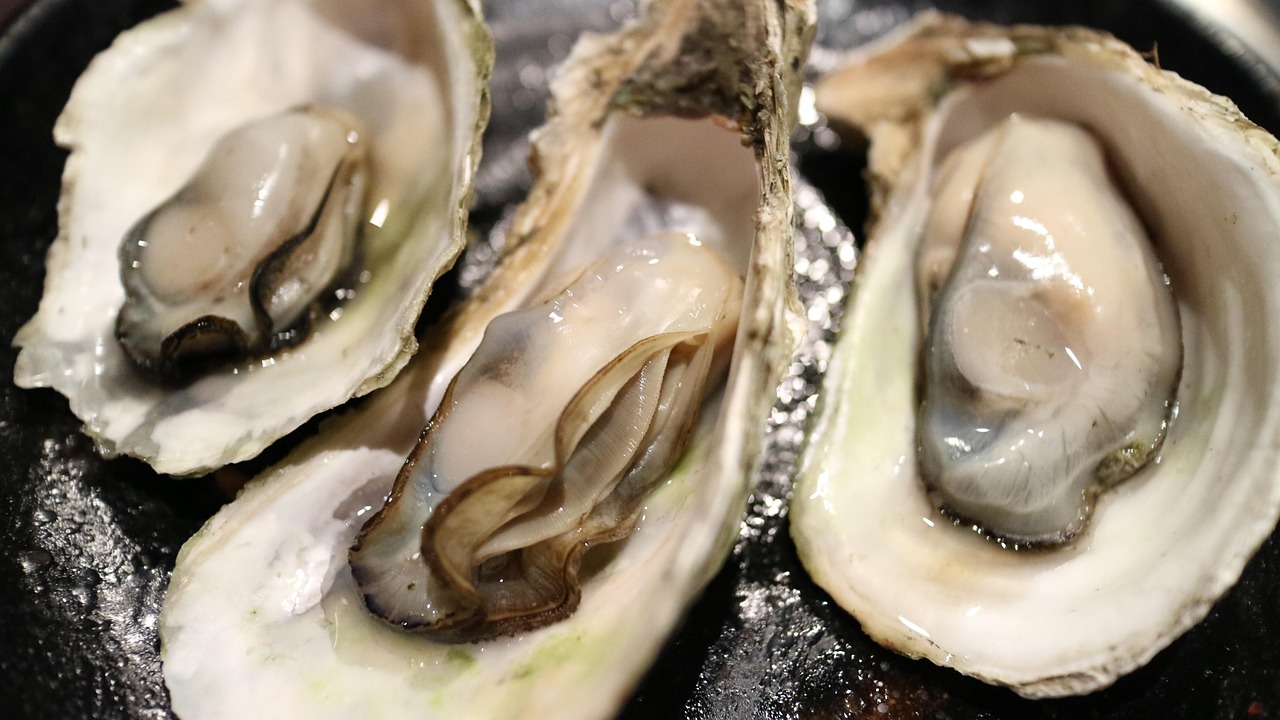
Food Sources : Oysters, beef, pumpkin seeds
 |
 |
Example Intakes
- Oysters (6–8 pieces / 50g) → 13 mg
- Beef (100g) → 4.6 mg
- Pumpkin seeds (30g) → 2.9 mg
Tip : Six to eight oysters are enough to meet the daily zinc requirement for men. As I’ll explain in the table below, one steak is enough to meet the daily zinc requirement with beef.
7. Selenium
Selenium may sound unfamiliar to some people. Compared to other nutrients, it’s not as well known, but it also has antioxidant properties that help prevent damage to eye cells and slow down age-related vision decline.
Recommended Daily Intake : 55 µg
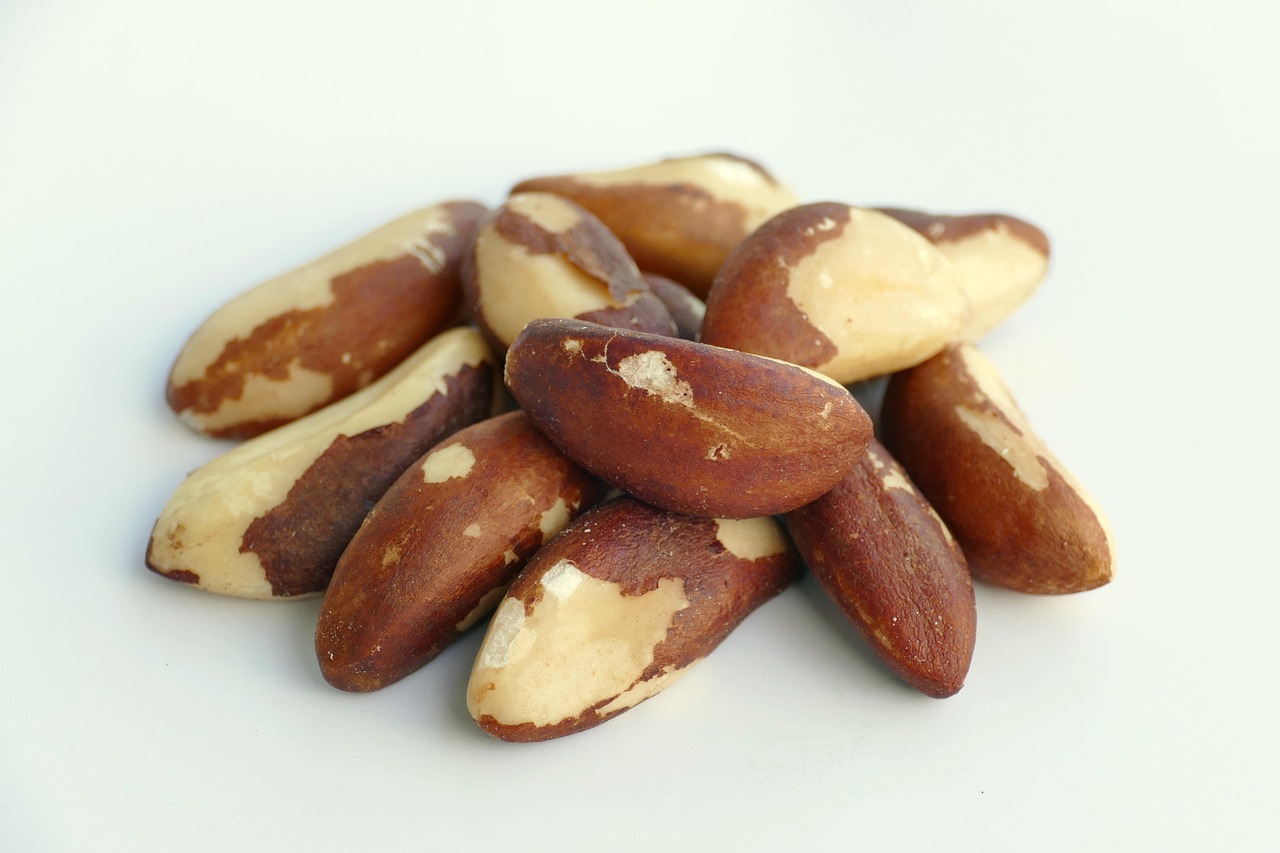
Food Sources : Brazil nuts, eggs, chicken breast
 |
 |
Example Intakes
- Brazil nut (1 piece / 5g) → 95 µg
- Egg (1 piece) → 20 µg
- Chicken breast (100g) → 25 µg
Tip : Just one Brazil nut is enough to meet your daily selenium requirement. If you prefer eggs, three per day will suffice.
Next, I’ve put together a simple table summarizing the 7 nutrients mentioned above, their daily recommended intake, and the amount of food you would need to eat each day to meet that intake.
How Much Food You Need Daily
| Nutrient | Recommended Daily Intake | Food Example | Daily Food Amount Needed | Tip |
| Vitamin A | Men: 900 ㎍ RE / Women: 700 ㎍ RE | Carrot | Men: 108g / Women: 78g | One medium carrot is enough |
| Spinach | Men: 161g / Women: 116g | A handful of spinach is enough | ||
| Lutein & Zeaxanthin | 6–10 mg | Kale | 55g–91g | A handful of kale is sufficient |
| Spinach | 50g–83g | A handful of spinach is enough | ||
| Vitamin C | 100 mg | Orange | 1.4 pieces (~180g) | About 1.5 oranges |
| Kiwi | 1.25 pieces (~125g) | One kiwi is almost enough | ||
| Vitamin E | 15 mg | Almonds | 58 pieces (~70g) | More than a handful, better to combine with other foods |
| Sunflower seeds | 50g | About a handful of sunflower seeds | ||
| Omega-3 (DHA) | 250–500 mg | Salmon | 21–42g | 50g of salmon is enough |
| Mackerel | 50–100g | About half a mackerel | ||
| Zinc | Men: 11 mg / Women: 8 mg | Oysters | Men: 42g / Women: 30g (~6–8 pieces) | 6–8 oysters are enough |
| Beef | Men: 240g / Women: 175g | About one steak | ||
| Selenium | 55 µg | Brazil nut | 1 piece (5g) | One Brazil nut is enough |
| Egg | 3 pieces | About 3 eggs are needed |
< Basis for the Table Calculations >
|
And finally, some tips for maintaining eye health!
How to Protect Your Eyes : Practical Tips and Supplements
 |
 |
The first key to maintaining eye health is giving your eyes enough rest. In modern life, we all spend a lot of time using and looking at digital devices. Prolonged use of digital devices can clearly be harmful to the eyes, so it’s important to take a 5–10 minute break every hour, roll your eyes, and occasionally focus on distant objects to exercise your eyes.
The second tip is to consume enough eye-healthy foods, as mentioned above. Foods rich in lutein, Vitamin A, zeaxanthin, and Omega-3 fatty acids are now widely recognized for supporting eye health. Try to meet the daily recommended intake and, at the same time, stay hydrated and maintain a balanced diet.
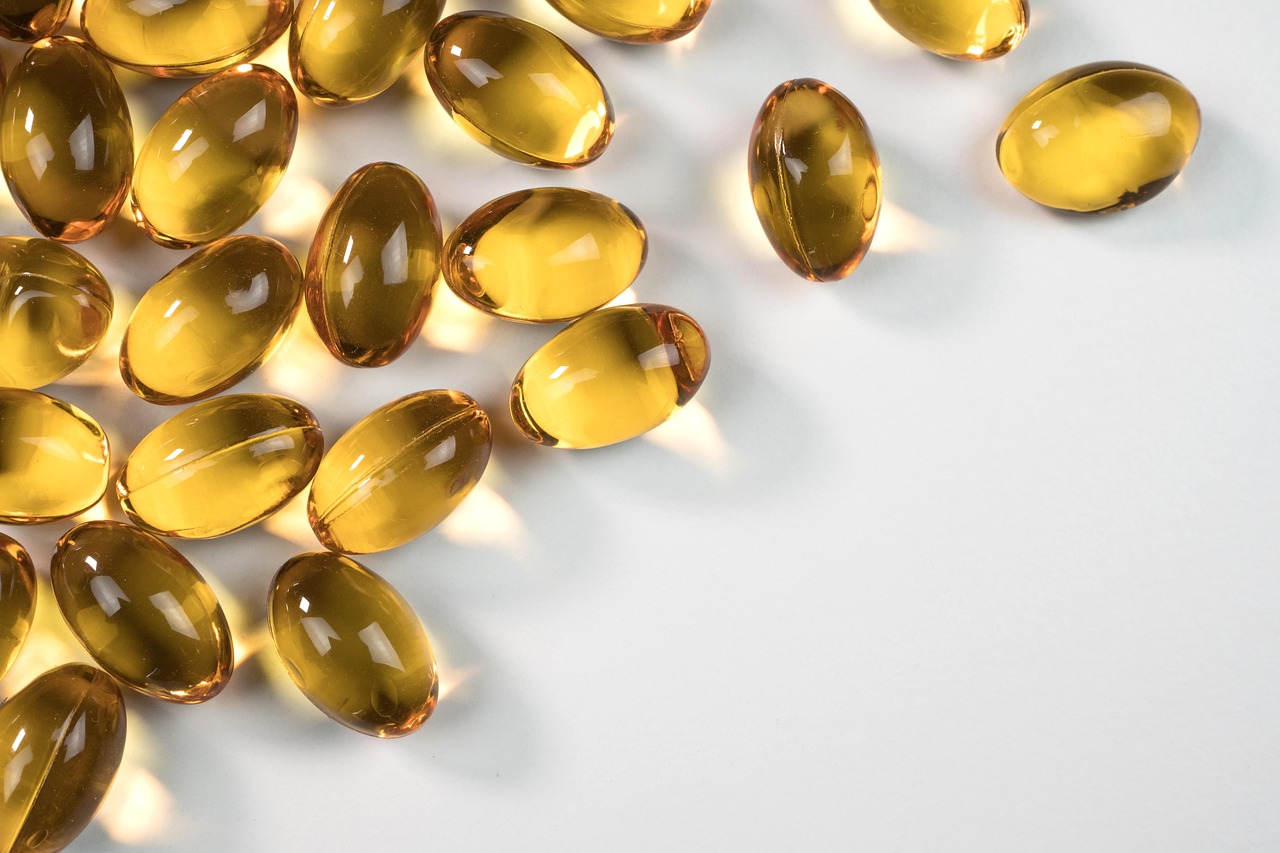
The third tip is to supplement with eye-friendly nutrients. Honestly, it’s difficult to meet the full daily recommended intake through food alone in a busy lifestyle. Supplements make it easy to get the precise amount you need each day, helping you maintain eye health even when you’re busy. For those with tight schedules or limited food intake, this is a convenient and efficient solution. Therefore, it’s important to choose how you get these nutrients based on your own lifestyle.
That wraps up today’s post.
Good night, everyone… Bye Bye!!

Oh, and if you’re curious about the floaters that Chubby mom’s daughter experiences, there’s a detailed article on it. Check it out at the link below
[Causes, Treatments, and Medications for Eye Floaters]
Floaters Treatments and Supplements (All About Floaters: Causes, Prevention, Treatments, and Eye-Health Supplements!)
Today, I’ve decided to dive into everything about the severe floaters that Chubby mom’s daughter has been suffering from!! As we age or when our lifestyle habits aren’t so healthy, various eye conditions can develop. Among them, one of the most commo
chubby-mom.tistory.com